

Aluminium Coil
Reliable Product Quality
Our certifications include ISO 9001 for quality management, ISO 14001 for environmental management, and various other industry-specific certifications that underscore our dedication to producing top-tier aluminium products.
Advanced Equipment
Our state-of-the-art production facilities are equipped with large-scale, advanced machinery that ensures efficiency and precision in manufacturing. Our production equipment includes high-speed rolling mills, automated cutting and coating machines, and advanced laminating systems.
Wide Range of Applications
Aluminum coil and sheet materials are highly versatile and used in a wide range of applications across various industries due to their excellent properties such as lightweight, corrosion resistance, and good formability. Such as: building façade, windows and doors, interior decorations, automotive industry, railway and marine.
Wide Market
Our products have a strong presence in the global market, catering to customers across continents. We have established a robust distribution network that enables us to deliver our high-quality aluminium products to various regions, including North America, Europe, Asia, and the Middle East.
Aluminum coil comprises aluminium and can vary in thicknesses and sizes. The process includes rolling the aluminium alloy sheet to create the coil, which is then cutting into the necessary sizes and shapes for its intended applications.This makes Aluminum Coil an ideal choice for many applications, such as automotive parts, heat exchangers, electrical components, roofing materials, etc. Its advantages include lightweight, high reflectivity, greater strength than other metals, corrosion resistance, flexibility and low cost making it versatile enough to meet any need or requirement.
-
 Painted PVDF Aluminium CoilOne of the most used high end finishes available is painted PVDF (polyvinylidene fluoride or Kynar). Highlighting the popularity, because PVDF is stronger, more wear-resistant and better bonded toAdd to Inquiry
 -
 Painted PE Aluminium CoilPolyester paint: oil-based liquid with thick film, high strength and rich colors as well as good insulation are strong acid and alkali resistance. High hardness, excellent weather resistance and goodAdd to Inquiry
 -
 Painted HDF Aluminium CoilPainted HDF Aluminium Coil is an outstanding product with a number of advantages, including durability, UV radiation resistance, corrosion and chemical protection properties improve the aestheticAdd to Inquiry
 -
 Reticulated Aluminium CoilWhen it comes to modern design and industrial aesthetics, materials matter - a lot. Those of you interested in materials may be particularly moved by the image above as an example of how form canAdd to Inquiry
 -
 Pearlescent Aluminium CoilPearlescent aluminium coil == aluminum coil aesthetics as well. In addition to its interesting aesthetic, the use of pearly aluminium coil offers some practical consequences that contribute to itsAdd to Inquiry
 -
 PolySurlyn Laminated Aluminum CoilAs with all three of these the processed Polysurlyn Laminated Aluminum Coil is made from a type of film. Polykraftfablon/polyethylene (3 layers), and PolySurlyn(2layer) are procucts.Total thicknessAdd to Inquiry
 -
 Polykraft Laminated Aluminium CoilPolykraft Laminated Aluminium Coil is a high-quality, corrosion-resistant product designed for diverse applications, including insulation and cladding. This durable material combines the strength ofAdd to Inquiry
 -
 Thermal Insulation Laminated Aluminium CoilOur Thermal Insulation Laminated Aluminium Coil offers superior thermal insulation properties, ensuring energy efficiency and cost savings for your projects. This high-quality aluminium coil isAdd to Inquiry
 -
 Laminated Aluminium Trim CoilDiscover our premium Laminated Aluminium Trim Coil, designed for both durability and aesthetic appeal. Perfect for exterior home trim and fascia, this product offers superior weather resistance and aAdd to Inquiry
 -
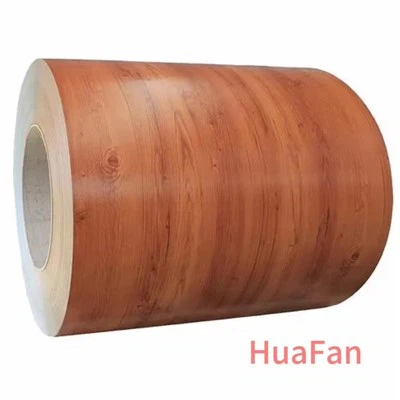 Wood Grain Aluminium CoilWood-grained aluminium coils represent a unique fusion of natural beauty and industrial innovation. These products are increasingly popular in architectural and design applications due to their blendAdd to Inquiry
 -
 Stone Grain Aluminium CoilAs is the perennial challenge when it comes to finding materials that will stand up with time, while still boasting looks in modern architecture and design. Such passion to be found even in the stoneAdd to Inquiry
 -
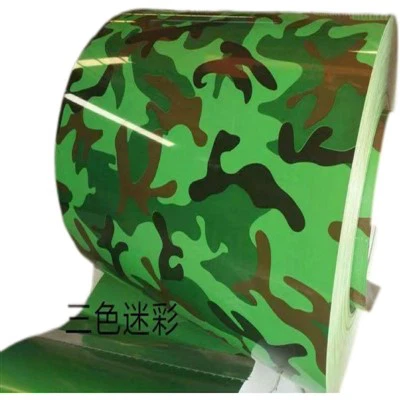 Camouflage Aluminium CoilThe camouflage aluminum coil is an important material in the field of materials science, bringing together both many useful properties that were previously impossible with metal and alluringAdd to Inquiry


Tel: +86 18954317792, +1 732 924 0060
Wechat: 18954317792
WhatsApp: +1 732 924 0060
- Email: hf-supplychain@aliyun.com
- Add: 2712, Block B, Zhongnan Jinshi International Plaza, Huangdao Free Trade Zone, Qingdao, Shandong, China
Advantages of Aluminium Coil
Lightweight and Strong
Aluminum coils offer a unique combination of lightweight and high strength. Compared to heavier metals like steel, aluminum significantly reduces the total product weight, which is crucial in industries like automotive and aerospace. This reduction in weight leads to improved fuel efficiency and lower emissions.
Corrosion Resistance
Aluminum’s natural oxide layer provides excellent corrosion resistance, making it ideal for applications in harsh environments. This property is particularly beneficial in building applications, automotive components, and marine environments, where long-term durability is essential. Corrosion-resistant aluminum alloys extend the lifespan of products and reduce maintenance costs.
Conductive Properties
Aluminum is an excellent conductor of electricity, making it a preferred choice for electrical applications. Electrical grade aluminum is often used in wiring and other electrical components, offering a cost-effective alternative to copper without compromising conductivity. Aluminum’s conductivity also makes it suitable for heat exchangers and other thermal management applications.
What Are the Different Grades of Aluminium Coils?
1000 Series Aluminum Coil
To be classified as 1000 series aluminum, a product must contain at least 99.5% pure aluminum, qualifying it as commercially pure aluminum. While 1000 series aluminum cannot be heat-treated, it offers excellent workability, superior corrosion resistance, and high electrical and thermal conductivity. It can be welded with specific precautions, but heating does not affect its appearance, making it challenging to differentiate between cold and hot material when welding.
2000 Series Aluminum Coil
The 2000 series aluminum coils are alloyed with copper and undergo precipitation hardening to attain strengths comparable to steel. Typically, these coils contain between 2% and 10% copper, along with small amounts of other elements. They are widely used in the aerospace industry for manufacturing aircraft due to their strength and light weight.
2024 Aluminum
The 2024 aluminum alloy primarily uses copper as its main alloying element. It is ideal for applications requiring a high strength-to-weight ratio and excellent fatigue resistance. Commonly found in aircraft structural components like fuselages and wing structures, it is also used in aviation fittings, truck wheels, and hydraulic manifolds. While it offers good machinability, it can only be joined through friction welding.
3000 Series Aluminum Coil
Manganese is the primary alloying element in 3000 series aluminum alloys, although it is usually added in small amounts. This series is typically non-heat treatable, resulting in a material that is more brittle than pure aluminum but offers good formability and corrosion resistance. 3003 and 3004 are the most common alloys in this series, used for applications such as beverage cans, chemical apparatus, hardware, storage containers, and lamp bases.
4000 Series Aluminum Coil
The 4000 series aluminum alloys are characterized by high silicon content and are generally used for sheets, forgings, welding, and brazing rather than extrusion. The addition of silicon lowers the melting point and increases the flexibility of aluminum, making it well-suited for die casting.
5000 Series Aluminum Coil
The 5000 series aluminum coil is renowned for its smooth surface and exceptional deep-drawability. This series is favored for various applications due to its increased hardness compared to other aluminum sheets. Its strength and fluidity make it ideal for heat sinks and equipment casings.
5754 Aluminum Coil
5754 aluminum alloy primarily contains magnesium and chromium. It cannot be produced using casting methods but is instead made through rolling, extrusion, and forging. Known for its excellent corrosion resistance, particularly in seawater and polluted environments, it is commonly used in automotive body panels, flooring, shipbuilding, and food processing applications.
6000 Series Aluminum Coil
The 6000 series aluminum coil, represented by the 6061 alloy, is composed mainly of silicon and magnesium. 6061 aluminum is a cold-treated forging product suitable for applications requiring high oxidation and corrosion resistance. It features excellent interface properties, ease of coating, and good workability, making it ideal for aircraft joints and low-pressure armaments.
Building and Construction
Aluminium coil serves as a versatile material employed in diverse building and construction applications, ranging from interior design to exterior cladding. It’s lightweight and strength offer great versatility, making it an ideal choice for roofing materials, window frames, facade panels and more. Its superior durability also makes the aluminium coil perfect for many different outdoor and indoor projects. It is resistant to external weather conditions like sun exposure, rain, snow and high temperatures, so it can be used confidently without worrying about wear or rust.
Transportation
Aluminium coils have become increasingly popular in transportation due to their lightweight nature and corrosion resistance. These properties make them well-suited for vehicular construction, adding minimal weight while offering superior structural integrity. They also greatly reduce noise levels and protect against outdoor elements like rain, snow, wind, and debris. Furthermore, the aluminium coil is often used in trailer body liners due to its durability and flexibility; thus, making it the ideal material for transportation applications.


Electrical and Electronics
Aluminum Coil has a variety of applications in the field of electrical and electronics. Its malleability, lightweight and corrosion-resistant properties make it ideal for household appliances, electronic components, switchgear housing, motor insulation and transformers. It also enables the rapid transfer of heat for efficient cooling systems. Consumer electronics, such as mobile devices or televisions, widely employ it, necessitating notably smaller sizes than what traditional manufacturing techniques permit. The coil can also reduce electromagnetic interference by providing shielding from outside sources.
Consumer Goods
Aluminium coils are also used to manufacture consumer goods such as packaging materials, kitchen utensils, and toys. The corrosion-resistant nature of aluminium makes it a preferred material for packaging food products. Manufacturers utilize aluminium coils to produce cans, bottles, and foil packaging, with the material’s inherent shaping capability positioning it as a preferred choice for crafting kitchen utensils and various household items.
Industrial Applications
Aluminium coils have a wide range of industrial applications. They are used as sheet metal for various industrial equipment, such as air conditioning and ventilation systems, containers, and storage tanks. Its malleability makes it ideal for forming complex parts without welding or joining processes.
Smelting
Extractive metallurgy involves the use of smelting to obtain metal from its ore. During smelting, heat and a chemical reduction agent are applied to break down the ore, expelling other elements as gases or slag (the solid waste that forms during the smelting process), leaving the pure metal behind. Typically, the reduction agent is a carbon source such as coal, coke, or charcoal. The Bayer process is employed in alumina refineries to extract alumina from bauxite ore. Bauxite rock is composed of alumina, water molecules, and various other minerals. The Bayer process is used to dissolve these components and extract alumina, which is then further purified through filtration.
Hot Rolling
Hot rolling is a commonly employed technique for reducing the thickness of aluminum slabs. This process involves heating the metal above its recrystallization temperature to facilitate deformation and shaping. The heated metal is then passed through a series of rolls to reduce its thickness, ensure uniformity, and achieve specific mechanical properties. During hot rolling, the aluminum coil is processed at temperatures around 1700 degrees Fahrenheit. This technique allows for the creation of shapes with precise geometrical dimensions and material properties while maintaining a constant volume of metal. It is essential for manufacturing both semi-finished and finished products, such as plates and sheets.
Cold Rolling
Cold rolling is a specialized process in the metalworking industry where aluminum strips are passed through rollers at temperatures below their recrystallization point. This method of "cold rolling" compresses and shapes the metal, increasing its yield strength and hardness. The key distinction between cold rolling and hot rolling is that cold rolling occurs below the work-hardening temperature (the temperature at which a material hardens without recrystallizing), whereas hot rolling takes place above this temperature. Cold rolling is widely used across various industries to produce aluminum strips and sheets with precise final gauges. The rollers are often heated to enhance the metal's workability, and lubricants are applied to prevent the aluminum from adhering to the rollers.
Annealing
Annealing is a heat treatment process used primarily to enhance the malleability and reduce the rigidity of a material. This process works by decreasing dislocations in the material's crystal structure, making it softer and more flexible. Annealing is commonly performed after a material has undergone hardening or cold working to prevent brittle failure and to improve its workability for subsequent operations. During annealing, the crystalline grain structure of the material is effectively reset, restoring the slip planes and allowing for easier shaping of the part with less force.
Slitting and Cutting
Aluminum coils can be produced as one continuous, long roll. To convert these into smaller, more manageable rolls, they must be sliced. This slicing is accomplished using slitting equipment equipped with extremely sharp blades to ensure precise cuts. The operation requires considerable force, and the slitting blades cut through the aluminum when the applied force surpasses the material's tensile strength. The slitting process begins with placing the aluminum on an uncoiler. The material is then fed through a series of rotary knives, where the blades are carefully set to achieve optimal slit edges based on the required width and clearance.
Elements Will Affect the Performance of Aluminum Coil
Metal elements: the influence of copper elements
Copper is an important alloying element and has a certain solid solution-strengthening effect. In addition, CuAl2 precipitated by aging has a significant aging-strengthening effect. The copper content in the aluminum plate is usually 2.5%-5%, and the strengthening effect is the best when the copper content is 4%-6.8%, so the copper content of most hard aluminum alloys is in this range.
Metal elements: the influence of silicon
Al-Mg2Si alloy system alloy equilibrium phase diagram The maximum solubility of Mg2Si in aluminum in the aluminum-rich part is 1.85%, and the deceleration is small with the decrease in temperature. In the deformed aluminum alloy, the addition of silicon to the aluminum plate is limited to welding materials, and the addition of silicon to aluminum is limited to welding materials. There is also a certain strengthening effect.
Metal elements: the influence of magnesium
The strengthening effect of magnesium on aluminum coils is significant. For every 1% increase in magnesium, the tensile strength of the aluminum alloy coil increases by about 34MPa.
If less than 1% manganese is added, the strength of the aluminum coil may be enhanced. Therefore, the addition of manganese can reduce the magnesium content, and at the same time reduce the tendency of hot cracking. In addition, manganese can also make the Mg5Al8 compound precipitate evenly, and improve the corrosion resistance and welding performance of aluminum coils.
Metal elements: the influence of manganese
The maximum solubility of manganese in a solid solution is 1.82%. The strength of the alloy increases continuously with the increase of solubility. When the manganese content in the aluminum coil is 0.8%, the elongation reaches the maximum value. Al-Mn alloy is a long and short-age hardening alloy, that is, it cannot be strengthened by heat treatment.
Metal elements: the influence of zinc
The addition of zinc to aluminum alone has a very limited improvement in the strength of the aluminum alloy under the premise of deformation. At the same time, there is a tendency to stress corrosion cracking, which limits its application.
Metal elements: the influence of iron and silicon
Iron is added as an alloying element in Al-Cu-Mg-Ni-Fe series wrought aluminum alloys, silicon in Al-Mg-Si series wrought aluminum, Al-Si series electrodes, and aluminum-silicon forged alloys. Silicon and iron are common impurity elements in aluminum alloys, and they have a significant impact on the properties of the alloy.
Metal elements: the influence of titanium and boron
Titanium is also a commonly used additive element in aluminum alloys, and it is added in the form of Al-Ti or Al-Ti-B master alloy. Titanium and aluminum form the TiAl2 phase, which becomes the non-spontaneous core during crystallization, and plays a role in refining the forging structure and weld structure.
Metal elements: the influence of chromium and strontium
Chromium forms intermetallic compounds such as (CrFe)Al7 and (Crum)Al12 in the aluminum plate, which hinders the nucleation and growth process of recrystallization, has a certain strengthening effect on the alloy, and can also improve the toughness of the alloy and reduce the sensitivity of stress erosion cracking.
How to Choose Painted Aluminum Coil for Shutters?


1. Understanding Aluminum Coil
Painted aluminum coils are widely used in the manufacturing of shutters due to their durability, lightweight nature, and aesthetic appeal. Aluminum is resistant to corrosion, making it an ideal choice for exterior applications. Moreover, the addition of paint not only enhances its visual impact but also provides an extra layer of protection against the elements.
2. Consider the Type of Finish
When choosing painted aluminum coils, the finish is one of the first factors to consider. There are typically two types of finishes available: matte and glossy. A matte finish can give a modern look while reducing reflections, which is often ideal for homes that seek a contemporary style. On the other hand, a glossy finish can bring vibrancy and attract attention, enhancing the facade of your building. It's essential to think about the overall aesthetic you want to achieve. Take into account the architectural style of your home, the color palette of your neighborhood, and your personal preference.
3. Color Selection
Color choice plays a crucial role in the appearance of your shutters. When selecting a painted aluminum coil, consider the colors that will complement or contrast with your home’s exterior. Classic neutral shades such as white, beige, or gray are versatile and can blend well with various architectural styles. However, bold colors can make a statement and express individuality.Ensure that once you’ve selected a color, it’s consistent with the overall design theme. Additionally, some manufacturers may offer custom color options if you’re looking for something unique.
4. Gauge Thickness
The thickness of the aluminum coil, measured in gauge, is another key consideration. A thicker gauge (such as .032 or .040) often provides added durability and resistance to bending, denting, and warping. If your shutters will be exposed to extreme weather conditions or if you anticipate a lot of usage, opting for a thicker gauge could be beneficial. Conversely, for less exposure or a more lightweight application, a thinner gauge may suffice.Always consult the specifications provided by manufacturers to ensure the thickness meets your needs.
5. Impact Resistance and Weather Performance
When selecting your painted aluminum coil, evaluate its weather performance and impact resistance characteristics. Some products are designed specifically to withstand bad weather, ensuring they won't fade, peel, or corrode over time. Look for coils that have a high-quality coating, which will provide better longevity and resistance to environmental factors.Additionally, check if the coating has been tested against elements like UV rays, saltwater, and moisture to ensure the shutters will last in your specific climate.
6. Warranty and Manufacturer Reputation
Finally, consider the warranty provided by the manufacturer. A solid warranty indicates the company’s confidence in its product. It’s also wise to look into customer reviews and the reputation of the manufacturer. Long-established companies often have a proven track record of quality and service.In conclusion, choosing the right painted aluminum coil for your shutters involves several considerations including finish, color, gauge thickness, weather performance, and manufacturer reliability. By carefully evaluating these factors, you can ensure that your shutters will not only look great but also provide lasting value and protection for your home.
Our company proceeds with the time and moves ahead aggressively to keep growing and expanding its business scope and optimizing its industrial structure. Nowadays, we cover an area of more than 50 acres, with three roller coating color aluminum production lines and two spraying color aluminum production lines, two high standing edge tile presses and two short standing edge tile presses, one slitting production line, and one leveling production line.

Our Certifications
ISO 9001:2015: Certification for Quality Management Systems, ensuring consistent product quality and customer satisfaction.
ISO 14001:2015: Certification for Environmental Management Systems, reflecting the company's commitment to sustainability.
CE Marking: Compliance with European safety, health, and environmental protection standards for all products.
SGS Certification: Verification of product quality and adherence to international standards through rigorous testing.
RoHS Compliance: Ensuring all products are free from hazardous substances, meeting global safety standards.


Ultimate FAQ Guide to Aluminium Coil
As one of the leading aluminium coil manufacturers and suppliers in China, we warmly welcome you to wholesale high-grade aluminium coil made in China here from our factory. All our products are with high quality and competitive price.
