

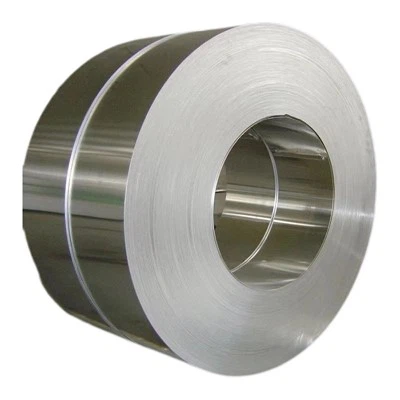
Aluminium Strip
Reliable Product Quality
Our certifications include ISO 9001 for quality management, ISO 14001 for environmental management, and various other industry-specific certifications that underscore our dedication to producing top-tier aluminium products.
Advanced Equipment
Our state-of-the-art production facilities are equipped with large-scale, advanced machinery that ensures efficiency and precision in manufacturing. Our production equipment includes high-speed rolling mills, automated cutting and coating machines, and advanced laminating systems.
Wide Range of Applications
Aluminum coil and sheet materials are highly versatile and used in a wide range of applications across various industries due to their excellent properties such as lightweight, corrosion resistance, and good formability. Such as: building façade, windows and doors, interior decorations, automotive industry, railway and marine.
Wide Market
Our products have a strong presence in the global market, catering to customers across continents. We have established a robust distribution network that enables us to deliver our high-quality aluminium products to various regions, including North America, Europe, Asia, and the Middle East.
The aluminium strip is a kind of deep processing product formed by aluminum coil cutting. It is an important raw material in industry. Aluminium strip is also made by aluminum ingots breaking according to the different grades of utility cent, specification and status, the corrosion resistance of aluminium strip requirements and formability are high, but the strength requirement is not high. Aluminum strip has many application, such as: aluminous model multiple tube, cable, optical cable, transformer, heater, blinds, etc.
-
 Mirror Finish Aluminium StripOne such revolutionary product in materials science are mirror finish aluminum strips that, withAdd to Inquiry
 -
 Anodised Aluminium StripAnodic aluminium strips can be a frequently used materials in many industrial sectors with regardAdd to Inquiry
 -
 Painted Aluminium StripPainted aluminium strips, being a highly versatile material offer aesthetic appeal and durabilityAdd to Inquiry
 -
 Aluminium PS PlatesThe Aluminum PS Plates the most important part of printing industry, is note by lot a lot ifAdd to Inquiry
 -
 Aluminium CTP PlatesWell, Aluminium CTP Plates are revolutionary technology that has changed the landscape of printingAdd to Inquiry
 -
 Painted Aluminium Trim StripAluminium Trim Strip Aluminium trim strip is a kind of fluoro-carbon alloy material made byAdd to Inquiry


Tel: +86 18954317792, +1 732 924 0060
Wechat: 18954317792
WhatsApp: +1 732 924 0060
- Email: hf-supplychain@aliyun.com
- Add: 2712, Block B, Zhongnan Jinshi International Plaza, Huangdao Free Trade Zone, Qingdao, Shandong, China
Durability and Longevity
The durability of the aluminium strip ceiling is one of the main advantages that can be mentioned about it. Aluminum is one of the materials that does not react to rust as well as other forms of degradation since it is non-corrosive. This quality makes it possible for the ceiling to retain its look and strength regardless of the amount of humidity or fluctuating temperatures in the surroundings. Therefore, the usage of aluminum strip ceilings allows a much longer service life without the need for much maintenance.
Lightweight and Easy to Install
Another advantage is the aluminium strip ceiling can be installed easily because of its lightweight. This feature relieves the structures’ load thereby making it appropriate for use in new constructions as well as constructions that are under improvement. Installation is fast, meaning that the time required to complete a project will also be considerably small, and in addition, the labor costs will not be as high as when using other types of materials.
Aesthetic Appeal
The aesthetic appeal of aluminium strip ceilings is found in their shiny and fashionable look, which suits their application in commercial structures, business premises, shops, and flats among others. It also comes in a vast variety of finishes, colors, and designs that could be made in order to fit the specific interior designing theme of a house. This versatility is one of the many aluminum strip ceilings advantages that make people consider using the product.
Acoustic Performance
One of the aluminium strip ceiling features includes its acoustic characteristics. These ceilings have a feature of perforations and, hence can enhance the reduction of noise through the use of sound absorption material. This feature is quite useful in workplace settings offices, schools, and all buildings where noise contamination is of paramount importance.
Fire Resistance
One of the aluminium strip ceiling pros is that it presents high levels of safety and one of the aspects that were considered in the design of buildings is the level of fire resistance. Aluminum does not contribute towards fire and may in fact assist in the prevention of fire from spreading. They bring an additional measure of protection that makes aluminum strip ceilings more useful.
Low Maintenance
Another way in which the aluminium strip ceiling has a benefit is in terms of maintenance that it would require. One can easily clean the material because the surface area is not porous and it does not stain easily because it is made of aluminum. This is normally a simple process and can be done by either regularly dusting the ceiling or from time to time washing it gently with a cloth moistened with water. This feature is especially beneficial in business and public places where hygiene is paramount.
Environmental Friendliness
Aluminum is one of the few materials that can be recycled time and again and hence, aluminium strip ceilings are eco-friendly. The production and recycling of aluminum are less damaging to the environment as compared to most other construction materials. The use of aluminum strip ceilings can go a long way in ensuring that there is sustainability of resources and hence bring down the rating of carbon footprint in any project.
Flexibility in Design
Another advantage present in the aluminium strip ceiling is the flexibility in design. These ceilings can also be easily configured for the integration of lighting fixtures, HVAC systems, and other services. It also ensures that it can blend with the rest of the infrastructure of the building and decorate it at the same time.
Types of Aluminium Strip
Mirror Finish Aluminium Strip
One such revolutionary product in materials science are mirror finish aluminum strips that, with their reflectivity and aesthetic appeal make them an ideal candidate for many scenarios. High gloss A-coating aluminium strips provide an attractive appearance with the practical advantages of a unique design. High reflectivity, corrosion resistance and versatility make stainless steel a valuable material for use in multiple applications ranging from architectural design to interior decor as well as automotive and consumer electronics.
Anodised Aluminium Strip
Anodic aluminium strips can be a frequently used materials in many industrial sectors with regard to increased robustness, effectiveness against rust and appearance. A few runners of anodized aluminum strips and a simple, modern piece is formed by the furniture designer. This is employed in handles, frames and decorative trims offering both functional & aesthetical benefits Beyond these usage signage can displays anodised aluminium strips provide a good sturdy answer. This material is formable and can be dyed, creating vibrant signs that are durable for outdoor use.
Painted Aluminium Strip
Painted aluminium strips, being a highly versatile material offer aesthetic appeal and durability which is utilized in diverse industries as for compatibility. Architectural designs are incomplete without aluminium strips. And used to satisfy the range from marketability to easiness of support, painted aluminium strips make a superb choice with their alluring appearance substituting for virtually any environment.
Aluminium PS Plates
The Aluminum PS Plates the most important part of printing industry, is note by lot a lot if advance for their Excellency in outputs, life and performance. Our ps board base surface is clean, basically does not appear any crack corrosion serious scratch mouth folding line and other shortcomings never allow the plate face color uneven change or print orange peelAluminium PS plates are an industry standard that offers unbeatable printing quality endurance results reduce blemishes fast content turnaround times bendability adapt into various environments easily in three steps optimal durability.
Aluminium CTP Plates
Well, Aluminium CTP Plates are revolutionary technology that has changed the landscape of printing massively. These plates simplify the print process, increase quality of prints and overall productivity. With all the advantages of an aluminum CTP plates the world in printing industry has come a long way since. Their use in these areas of commercial printing, publishing, packaging and promotion is unbeatable with their capability to produce high-quality images at a constant amount across large print jobs.
Painted Aluminium Trim Strip
Aluminium Trim Strip Aluminium trim strip is a kind of fluoro-carbon alloy material made by degreasing, drying after surface treatment, slit-ting and given proper slots at the Longitudinal gap then cut to fixed length. Painted aluminium trim strips are shelf angle pieces that have a narrow flat profile of painted aluminum. These tapes are applied to provide crystal-clear edges like a finishing borders and features in many places. The powder coat will not only give your aluminium a new surface, but also adds another layer to shield it from environmental elements.
Electronic products
Aluminium strips are used to make capacitor shells and are widely used in various electronic products. For example, electrolytic capacitors and solid electrolytic capacitors in consumer electronics products such as mobile phones, tablet computers, notebook computers, and televisions often use aluminium strips as casing materials.
Communication equipment
In the field of communication equipment, such as base stations, communication terminals, etc., the capacitor shell is made of aluminium strips to provide a lightweight, high-strength shell structure, and at the same time have good electrical conductivity and thermal conductivity to ensure the stability of the equipment and efficient operation.
Automotive electronics
With the development of automotive electronics technology, capacitors are more and more widely used in automobiles. aluminium strips are used to make capacitor casings, which can meet the requirements of lightweight, high strength and corrosion resistance for automotive electronic products, such as automotive battery management systems, power electronic modules, etc.
Energy field
In the energy field, aluminium strips are widely used in the manufacture of casings for power capacitors and energy storage devices. These devices need to have efficient current transmission and heat dissipation capabilities, and have high requirements for structural stability and corrosion resistance.
Industrial application
Capacitor shells made of aluminium strips are also suitable for various electrical equipment, motors, frequency converters, etc. in the industrial field. Its excellent conductivity and heat dissipation performance enable it to meet the requirements of industrial equipment for capacitors in high-power and high-temperature environments.
Aluminum Strip Surface Treatment Steps
The First step: Preparation
The first step in aluminum strip surface treatment is proper preparation. This involves thoroughly cleaning the surface to remove any dirt, oils, or contaminants that may interfere with the treatment process. The cleaning method may include degreasing, alkaline cleaning, or mechanical cleaning, depending on the specific requirements. After cleaning, the surface may undergo etching to promote adhesion and create a roughened texture for better coating or treatment penetration.


The Second Step: Application of Treatment or Coating
Once the aluminum strip surface is properly prepared, the next step is the application of the desired treatment or coating. Various methods can be employed, depending on the type of treatment. For example, anodizing, which involves creating an oxide layer on the surface, can be achieved through an electrochemical process. The aluminum strip serves as the anode in an electrolyte bath, and a direct current is applied to promote the formation of the oxide layer. On the other hand, painting and powder coating can be applied through spraying, electrostatic deposition, or dipping methods. The coating material is evenly applied to the surface, ensuring proper coverage and thickness.
The Third Step: Curing or Drying
After the treatment or coating is applied, the aluminum strips often require curing or drying. This step is crucial for the treatment or coating to fully develop its desired properties. In the case of painting, for instance, the coated strips may be subjected to a thermal curing process in which the coated surface is heated to a specific temperature to promote cross-linking and polymerization of the paint. Powder coatings, on the other hand, go through a curing process where the coated strips are heated in an oven to melt and fuse the powder particles, forming a continuous protective layer. Drying time and conditions may vary depending on the specific treatment or coating applied. These surface treatment steps play a vital role in enhancing the properties and performance of aluminum strips. They provide numerous benefits, such as improved corrosion resistance, increased durability, and enhanced aesthetics.

Five Steps of Aluminum Strip Production
Melting casting
The purpose of melt casting is to produce alloys with high purity and satisfying composition, and to create favorable conditions for casting alloys of various shapes. Several key parameters in casting process:
● Furnace temperature is generally set at 1050 C during smelting. The material temperature should be monitored during the process, and the metal temperature should not exceed 770 C.
● Slag removal operation at about 735 C. This temperature is favorable for slag-liquid separation.
● Refining generally adopts secondary refining method, primary refining reinforcement refining agent and secondary refining gas refining method.
● Casting should be done in time for 30 min-1 h after static inversion, otherwise refining is needed.
● Ai-Ti-B wires need to be continuously added in the casting process to refine the grain size.
Hot rolling
Hot rolling generally refers to the rolling above the recrystallization temperature of metals. Hardening and softening of metals exist simultaneously in the process of hot rolling. Due to the influence of deformation speed, as long as the recovery and recrystallization process is not enough, there will be some work hardening. The recrystallization of hot rolled metal is incomplete, that is, the recrystallization structure coexists with the deformed structure. Hot rolling can improve the processing properties of metals and alloys and reduce or eliminate casting defects.
Casting rolling
Casting and rolling process: liquid metal, front box (liquid level control), casting and rolling mill (lubrication system, cooling water), shearing machine, coiler. The casting and rolling temperature is generally between 680 ~700 C. The lower the better, the more stable the casting and rolling line will stop once a month or more, and the vertical plate will be restored. In the production process, the liquid level of the front box should be strictly controlled to prevent the liquid level from being low. Lubrication uses C powder with incomplete combustion of gas to lubricate, which is also one of the reasons leading to dirty surface of casting and rolling stock. The production speed is generally between 1.5m/min and 2.5m/min. The surface quality of products produced by casting and rolling is generally low, and can not meet the requirements of special physical and chemical properties.
Cold rolling
Cold rolling refers to the rolling mode below the recrystallization temperature. There will be no dynamic recrystallization during the rolling process, and the maximum temperature rises to the recovery temperature. The cold rolling has a work hardening state and a high work hardening rate. Cold-rolled strips have high dimensional accuracy, good surface quality, uniform structure and properties. Products in various states can be obtained by heat treatment. Cold rolling can produce thin strip, but it also has the shortcomings of large energy consumption and more processing passes.
Finishing
Finishing is a processing method to make cold-rolled sheet meet customer requirements, or to facilitate the follow-up processing of products. Finishing equipment can correct defects such as crack edge, oil strip, bad shape and residual stress in hot rolling and cold rolling process. It needs to ensure that no other defects are brought into the production process. There are various finishing equipments, such as cross cutting, longitudinal shearing, stretching and bending, annealing furnace, slitting machine, etc.
How to Improve Quality of Glass Hollow Aluminium Strip
Wall thickness
The wall thickness on one side is guaranteed to be between 0.25 and 0.4, and the limit deviation of the surrounding wall thickness (+0.025). Hard bends and side bends are not allowed. Products have strict requirements on wall thickness.
Appearance
The surface is flat and smooth, anti-rust, and corrosion resistant. The surface of the aluminum strip for sale has uniform holes, good straightness, no deformation, stable size, good strength and toughness, and can be continuously bent into aluminum frames at any angle with bending equipment . The hardness reaches Mohs level 5.
Coordination between products
The hollow aluminum strip and the rubber strip are used in conjunction with each other. A three-step procedure, namely pressing, turning and pinching, is used at the sealing of the hollow glass.
The role of molecular sieve
The slower the adsorption rate of molecular sieve, the better the adsorption rate of molecular sieve. Several factors that affect the drying speed of insulating glass are the air humidity in the workshop, the molecular sieve filling rate, the molecular sieve adsorption rate, the size and density of the pores in the aluminum strip, and the sealing quality.
How to Choose The Right Aluminum Strips?
Choose the exterior of aluminum strips
The hollow aluminum strip is mainly to separate the hollow glass and play an effective supporting role, so the surface of the aluminium strip needs to be flat without obvious oil stains. Besides, the aluminum strip must be straight and cannot be bent.
Choose the right type of aluminum strips
Aluminum strips are divided into high-frequency welding aluminum strips and cold drew aluminum strips. Due to the low oxidation resistance of cold-drawn aluminum strips and their unsightly appearance. The cold-drawn aluminum strip is gradually replaced by high-frequency welding aluminum strips. So it is not recommended to buy cold-drawn aluminum strips.
Choose the right width of aluminum strips
The width of the aluminum strips on the market is between 5.5mm and 26.5mm, and the appropriate specification should be selected according to the size of the insulating glass. In most cases, the specification of x.5 is more commonly used, such as 5.5A, 8.5A, and 11.5A.
Choose the right wall thickness for aluminum strips
Wall thickness refers to the thickness of the inner wall of the aluminum strip, which can be divided into bending and non-bending. The thickness of the unbendable aluminum strip is 0.2mm-0.29mm. The thickness of the bendable aluminum strip is 0.3mm-0.35mm. The thicker the aluminum strip, the less the bending loss.
Choose the right height for aluminum strips
The height of the aluminum strip is fixed between 5.5mm-7mm. The higher the height, the thicker the aluminum strip. The international standard height of aluminum strips is 7mm with an error of +-0.025mm
Our company proceeds with the time and moves ahead aggressively to keep growing and expanding its business scope and optimizing its industrial structure. Nowadays, we cover an area of more than 50 acres, with three roller coating color aluminum production lines and two spraying color aluminum production lines, two high standing edge tile presses and two short standing edge tile presses, one slitting production line, and one leveling production line.

Our Certifications
ISO 9001:2015: Certification for Quality Management Systems, ensuring consistent product quality and customer satisfaction.
ISO 14001:2015: Certification for Environmental Management Systems, reflecting the company's commitment to sustainability.
CE Marking: Compliance with European safety, health, and environmental protection standards for all products.
SGS Certification: Verification of product quality and adherence to international standards through rigorous testing.
RoHS Compliance: Ensuring all products are free from hazardous substances, meeting global safety standards.


Ultimate FAQ Guide to Aluminium Strip
As one of the leading aluminium strip manufacturers and suppliers in China, we warmly welcome you to wholesale high-grade aluminium strip made in China here from our factory. All our products are with high quality and competitive price.
aluminium strip, Anodised Aluminium Strip, Aluminium CTP Plates