

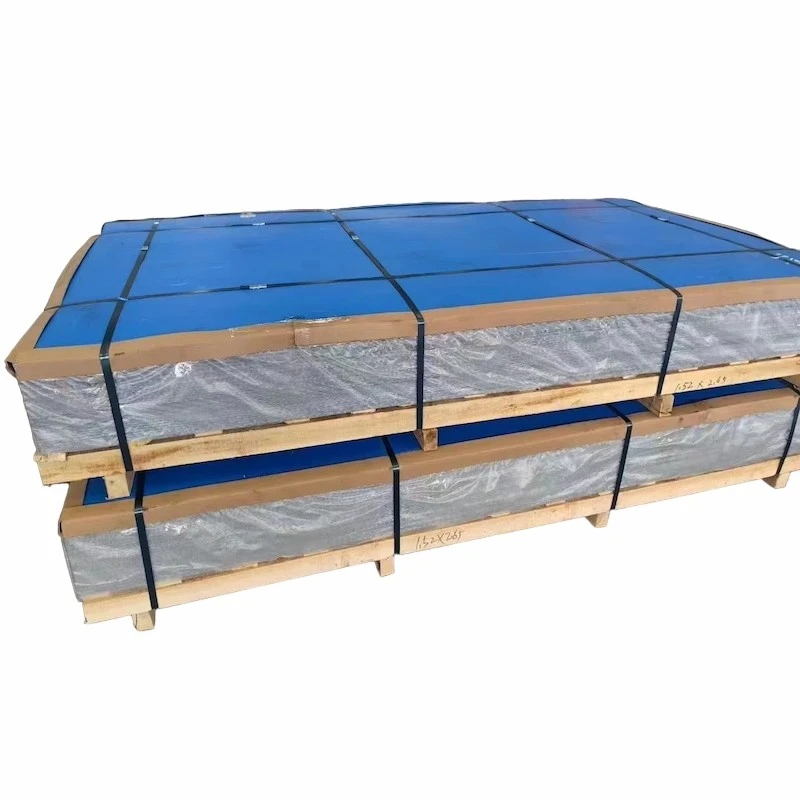
Aluminium Sheet
Reliable Product Quality
Our certifications include ISO 9001 for quality management, ISO 14001 for environmental management, and various other industry-specific certifications that underscore our dedication to producing top-tier aluminium products.
Advanced Equipment
Our state-of-the-art production facilities are equipped with large-scale, advanced machinery that ensures efficiency and precision in manufacturing. Our production equipment includes high-speed rolling mills, automated cutting and coating machines, and advanced laminating systems.
Wide Range of Applications
Aluminum coil and sheet materials are highly versatile and used in a wide range of applications across various industries due to their excellent properties such as lightweight, corrosion resistance, and good formability. Such as: building façade, windows and doors, interior decorations, automotive industry, railway and marine.
Wide Market
Our products have a strong presence in the global market, catering to customers across continents. We have established a robust distribution network that enables us to deliver our high-quality aluminium products to various regions, including North America, Europe, Asia, and the Middle East.
Aluminium sheets, also known as aluminium plates, are the result of basic raw-form aluminium being pressed and rolled into panel form under high pressure. Aluminium sheeting is characteristically manufactured to be very thin and lightweight, yet sturdy enough to offer extreme versatility alongside inherent ease of installation and maintenance. It also boasts numerous other unique and useful properties that make it very widely deployed today across an enormous variety of industrial, agricultural, home DIY and manufacturing/production applications.
-
 Painted PVDF Aluminium SheetPainted Polyvinylidene Fluoride (PVDF) aluminium sheets are well known for their robustness and light weight as suited fine in different architectural, industrial and other applications. Copolymer ofAdd to Inquiry
 -
 Painted PE Aluminium SheetThe versatility of the aesthetic, durability gained from its construction and cost-effectiveness have made Painted Polythene (PE) aluminum sheets be in demand across various industry. PaintedAdd to Inquiry
 -
 Painted Hdf Aluminium SheetWhen it comes to color coated metal, HDF(TM) Aluminium represents the state of highdurability fluoropolymer. Utilizing the enhanced impacting properties of aluminium and making them even lighter,Add to Inquiry
 -
 Reticulated Aluminium SheetReticulated aluminum, also called expanded ornamental or meshed sheet, is an extremely versatile and long lasting product utilized for a variety of commercial as well as building applications WithAdd to Inquiry
 -
 Pearlescent Aluminium SheetPearlescent Aluminum Airplane Sheets add finesse to any project. Providing a stunning prismatic effect that alters with the incidence of light thanks to their special iridescent finish, these panelsAdd to Inquiry
 -
 PolySurlyn Laminated Aluminum SheetAdmire the amazing qualities of our Polysurlyn Laminated Aluminum Sheet. This sheet is designed to provide better corrosion resistance and long life in many locations, including for insulation &Add to Inquiry
 -
 Polykraft Laminated Aluminium SheetThe range of features prominently displayed by the Polykraft Laminated Aluminium Sheets is why they are one of the top performers in their category. Aluminum itself has a superior strength, and whenAdd to Inquiry
 -
 Thermal Insulation Laminated Aluminium SheetThermal Insulation Laminated Aluminium Sheet Crafted for Excellent Thermal Strength and Lifespan. Primarily used for HVAC systems, ductwork, and industrial insulation, this product is made of premiumAdd to Inquiry
 -
 Laminated Aluminium Trim SheetExplore our Laminated Aluminium Trim Sheet - the best in quality and life. This product is designed to provide the durability of aluminium and high-performance laminates in one perfect solution.Add to Inquiry
 -
 Wood Grain Aluminium SheetThis is a beautiful combination, between natural beauty and the power of industry: Wood-grained aluminium sheets. A mix of functionality as well aesthetics are the reasons for their popularity inAdd to Inquiry
 -
 Stone Grain Aluminium SheetRight in the heart of current engineering and ending up with materials work correctly, there is a desire for yet elite visual elegance. The forward march of this progress sees stone-grain aluminumAdd to Inquiry
 -
 Camouflage Aluminium SheetAmong all of the newest materials innovations, camouflage aluminum sheets are kind of one and only technological innovation in terms material research. It is a new type combining function (Aluminium)Add to Inquiry


Tel: +86 18954317792, +1 732 924 0060
Wechat: 18954317792
WhatsApp: +1 732 924 0060
- Email: hf-supplychain@aliyun.com
- Add: 2712, Block B, Zhongnan Jinshi International Plaza, Huangdao Free Trade Zone, Qingdao, Shandong, China
Advantages of Aluminium Sheet
Light Weight
Aluminum is a lightweight material that is almost three times lighter than steel. In fact, aluminum has a better strength-to-weight ratio than steel, which is why it is often used in the automotive and aerospace industries—it reduces dead weight, and therefore energy consumption, in these vehicles, allowing for better load capacity than steel and other metals.
Durable
Thanks to its impressive strength-to-weight ratio and natural resistance to corrosion, aluminum sheet metal is extra durable. It can withstand exposure to extreme temperatures and hold up well to general wear and tear. In fact, aluminum can be engineered to match the strength of steel, providing a long-term product or component.
Non-Ferromagnetic
Aluminum is non-ferromagnetic, which means it does not cause magnetic interference. This characteristic makes it the ideal material for use in electrical applications.
Corrosion Resistant
When aluminum is exposed to an oxidizing environment, an aluminum-oxide coating naturally forms on the exterior to protect it from corrosion. This layer of protection can be strengthened by anodizing or powder coating the material.
Thermally Conductive
Aluminum is an excellent conductor of heat and electricity, and it outperforms copper in electrical applications. For instance, aluminum requires only about half the weight of copper to deliver the same amount of electrical resistance, making it ideal for use in computer motherboards, electrical housings, and LED lights.
Recyclable
Aluminum is unique in that it retains all of its original properties no matter how long it is used. That means, when its work is done in one particular application, it can be recycled for the next. In fact, aluminum is 100% recyclable, and working with recycled aluminum is more cost-effective for professional fabricators than purchasing aluminum freshly mined out of the ground.
Types of Aluminium Sheet
Painted Aluminium Sheet
Painted aluminium sheet is a result of a high tech process that improves aluminium performances. For this reason provides painted aluminium sheets for every sector including Building and Interior Design Industry. Thanks to its excellent aesthetic impact, painted aluminium is used for different uses, as covering, roofs, isolation panels, air conducts and rolling shutters. We guarantee an extreme durability in outdoor conditions as well as indoors.
Laminated Aluminium Sheet
Aluminum foil laminate refers to the multilayer film foil that container the thin aluminum sheet inside, that can be further processed into kinds of forms of package, like flat pouch, bottom gusseted standup pouch, quad seal standup pouch, flat bottom pouch, and rollstock foils, for many products. Aluminum foil is thin sheet of aluminum metal, with 7 microns thickness the most used in flexible packaging areas. It is considered the best barrier property against moisture and oxygen among all the barrier film materials in flexible package.
Embossed Aluminium Sheet
Embossed aluminum sheet is a type of aluminum sheet that has a pattern or design pressed into its surface. The process of creating an embossed sheet involves passing the sheet through a press that has a die with the desired pattern on it. This process can be used to create a variety of patterns, such as a stucco finish, diamond plate, or even a custom design. The result is a sheet with a raised or recessed design on one or both sides. Embossed aluminum sheets are commonly used in architectural and decorative applications, as well as in industrial settings for added slip resistance and durability.
Automotive Industry
More and more car designers have started to use more aluminium in their designs as people begin to understand the value of fuel efficiency and reducing CO2 emissions. The lightweight characteristics and cost-effectiveness of aluminium sheeting make it suitable for lightweight vehicle construction. In the construction of the bonnet and other structural elements, aluminium composite panels constructed from these sheets are used. The capacity of aluminium sheets to reduce weight at the front end of vehicles allows for higher acceleration that can minimize fuel consumption and thereby increase fuel economy.
Aviation Industry
The use of aluminium greatly benefits new aircraft and the aerospace industry. In virtually every aspect of a modern aircraft, aluminium sheets are used, including wing panes, fuselage, feeder blocks, doors, ball bearings, engine turbines, etc. Aircraft need to be as light as possible while also maintaining the structural strength required, and aluminium, which can make up 75-80 percent of its entirety, is perfect for this. Aluminium is also highly resistant to corrosion, apart from improving fuel efficiency.
Packaging Industry
The simplicity of forming aluminium sheets brings a lot of flexibility to the packaging industry – from fancy cans to distinctive packaging. Furthermore, aluminium sheets are completely recyclable, which saves a lot of energy and has a very low carbon footprint. Its high corrosion resistance, anti-bacterial surface and non-toxic properties also make it suitable for packaging food and beverages, such as bottle caps, tubes, cans and packaging for drugs.
Other Industries
Aluminum sheets are also suitable for use in the manufacture of nameplates made of metal and other related products. With the use of aluminium, licence plates for cars are mostly made mostly because they are very cheap due to their abundance. Because of their corrosion resistance and because of their very low maintenance, they are often used as such. Aluminum sheets used by the food and beverage industry for packaging, and as parts of cookware and appliances, can also be seen. Sheets of this metal can also be used in the form of roofing, gutters, sidings and the like used by the building and housing industry.
Mining
The first step in the process of making aluminum sheets is mining. Aluminum is abundant in the earth’s crust, but it is typically combined with other elements such as oxygen, silicon, and bauxite. To mine aluminum, giant machines dig up the earth and extract the aluminum ore.
Refining
Once the aluminum ore has been extracted, it must be refined to remove impurities. The refining process involves using chemicals and high temperatures to remove impurities such as iron, silicon, and bauxite. The result is a purer form of aluminum that can create aluminum sheets.
Smelting
The next step in the process is smelting. In smelting, the refined aluminum is placed in a furnace and heated to over 1,000 degrees Celsius. This high temperature causes the aluminum to liquefy and allows impurities to be removed.

Casting
After the aluminum has been smelted, it is cast into ingots or billets. An ingot is a large metal block that can be further processed into smaller pieces. Billets are small metal blocks typically used to create products such as aluminum sheets.
Rolling
The final step in the process is rolling. In this step, the ingots or billets are passed through rollers which flatten them out into thin sheets of aluminum. These sheets can then be cut to any desired size and used for various purposes, such as packaging or construction.
What Aluminium Sheet Thickness Do I Need?
0.5mm Thickness
The 0.5mm aluminium sheet is an ideal material for projects in which precision and detail are of the utmost importance. The ultra-thin profile of this material makes it the perfect choice for intricate model making, where it’s ease of cutting and shaping makes it possible to create detailed miniatures and scale models due to its ease of using.
0.8mm Thickness
Aluminum sheets are available in a 0.8mm thickness and are often used in the interior design world where they can be used as ceiling tiles and wall cladding to create unique, unique designs that will add a touch of contemporary flare to any room. A thickness of this kind is particularly well-suited to crafting detailed decorative panels and artistic installations, allowing intricate designs to be crafted without adding the bulk of heavier panels.
1mm Thickness
One of the most versatile and practical choices when it comes to the manufacture of automobiles is the 1mm thick aluminium sheet. It is particularly effective for the manufacture of body panels that must be both lightweight and strong at the same time, therefore contributing to the overall efficiency and performance of vehicles.
1.2mm Thickness
1.2mm thick aluminium sheet metal makes a durable display unit and signage. Lightweight and sturdy, it is easy to install and reposition as needed. Also, this thickness is used to create lightweight frames that are both sturdy and capable of withstanding the rigors of flight in the innovative world of drone technology.
1.5mm Thickness
A popular choice for kitchen backsplashes and cabinetry facings, the 1.5mm aluminium sheet perfectly balances strength and manageability. Practical and stylish, it resists moisture and is easy to clean. Storage solutions often use this thickness to create sturdy, lightweight shelving and storage units that combine functionality with a modern industrial aesthetic.
2mm Thickness
The 2mm aluminium sheet metal is highly sought after for the construction of robust tool boxes and storage containers, as it offers a combination of durability and portability, making it an ideal material for this kind of application.
3mm Thickness
3mm thickness is ideal for industrial applications. Machine guards and protective panels made of this material provide safety and durability in demanding industrial environments. The corrosion resistance and strength of this thickness make it an ideal choice for small boat hulls and interior fittings, where it ensures longevity and reliability in the harsh marine environment.
6mm Thickness
The 6mm aluminium sheet is designed for use in high-stress applications such as bridge construction and structural beams, where its ability to withstand significant weight and force is paramount. Additionally, this thickness is ideal for large-scale sculptural and public art installations that require durability.
How to Choose the Right Aluminium Sheet Bending Technique for Your Project


Press Brake Bending
This is the most common and versatile technique for bending sheet metal. A press brake uses a punch and die to bend the metal to a specific angle; these can be altered to create different shapes. Press brake bending is accurate and repeatable, making it ideal for:
High-volume production: Identical bends can be replicated consistently, which is perfect for mass-produced parts like brackets, enclosures, and chassis.
Sharp bends: The punch and die combination allows for creating crisp, defined bends.
Multiple bends in one piece: Complex parts requiring various bends at different locations can be efficiently handled with press brake tooling changes.
Roll Bending
This technique uses a series of rollers to bend the metal into a curved shape. Roll bending is ideal for creating long, curved pieces of metal. It's also a good option for bending thick pieces of metal that would be difficult to bend with a press brake. Here are some common applications:
Curved panels: Roll bending is perfect for applications like roofing panels, cladding materials, and curved ductwork.
Cylindrical shapes: Cylindrical tubes and pipes for various applications can be formed efficiently using roll bending.
Thick metal sheets: Bending thicker aluminium sheets that would be challenging for a press brake is achievable with roll bending.
Rotary Draw Bending
This technique is used to create complex bends in sheet metal. It uses a rotating mandrel to form the metal around a mould. Rotary draw bending is a good option for creating bends with a tight radius, such as:
Curved housings: Electronic enclosures or medical equipment housings with complex curves can be formed precisely using rotary draw bending.
Conical shapes: This technique is well-suited for creating conical shapes like funnels or lampshades.
Tubular components: Bending preformed tubes or pipes into specific shapes is achievable with rotary draw bending.
Three Roller Bending
This technique is similar to roll bending, but it uses three rollers instead of two. The third roller allows for more control over the bend, making it suitable for:
Variable radius bends: Need a bend that transitions from one radius to another? Three-roller bending allows for that flexibility.
Curved channels or profiles: Forming channels or profiles with curved edges is achievable with this technique.
Sheet metal with holes or cutouts: Three-roller bending can handle aluminium sheets with pre-existing features as the rollers provide continuous support.
Compression Bending
This technique is used to bend sheet metal by compressing it between two dies. Compression bending is a good option for creating sharp bends, but it must be done carefully - incorrect amounts of pressure can damage the surface of the metal. Use it for:
Sharp corners in boxes or enclosures: Creating crisp 90-degree bends for boxes or frames is a good application.
Sheet metal with stiffeners: Bending sheet metal with pre-existing stiffeners or ribs works well with compression bending.
Stretch Forming
This technique is used to create complex shapes in sheet metal by stretching it over a mould. Stretch forming is a good option for creating aerodynamic shapes, such as those used in aircrafts. Its applications include:
Aircraft components: Aircraft wing components or other aerodynamic shapes can be formed using stretch forming.
Dish antennas: The parabolic shape of dish antennas can be achieved with this technique.
Automotive body panels: Complex curves on car hoods or fenders can be formed using stretch forming.
Hand Folding
This is a simple technique that can be used to bend thin sheets of metal. It's not as accurate or repeatable as press brake bending, but it can be a good option for small jobs or for bending metal in the field. To hand fold aluminium sheet metal, you'll need a brake and a mallet. The brake is a lip that is used to bend the metal, and the mallet is used to tap the metal into place. Here are some good options for hand folding:
Thin sheet metal: Ideal for bending very thin aluminium sheets used in applications like flashing or decorative elements.
Field repairs: Quick on-site adjustments or minor bends can be done with hand folding tools for maintenance purposes.
Prototyping: During the initial design phase, hand folding can be a quick way to test the feasibility of bends before committing to a more complex technique.
Factors to Consider When Choosing Aluminium Sheet
Strength
The strength of aluminium sheet metal varies significantly across different grades. In structural applications, such as aerospace or automotive components, high-strength grades like the 7000 series are ideal. In less demanding applications, such as decorative trims, a lower-strength grade, such as the 3000 series, may be sufficient.
Formability
In complex applications, aluminum’s ability to be shaped is crucial. For intricate designs and detailed work, grades like 1100 are known for their excellent formability.
Corrosion Resistance
Although aluminium naturally resists corrosion, certain environments or applications may require enhanced protection. 5000-series grades provide superior corrosion resistance and are ideal for marine or chemical environments.
Specific Application Requirements
Each project has unique needs. Certain aluminum grades would be more suitable than others if thermal conductivity is required, as in heat exchangers. The 1000 series is also a good choice for electrical applications due to its purity.
Aesthetic Considerations
In addition, aluminium sheet metal comes in a variety of finishes and appearances. Consider grades that can retain their appearance over time if aesthetics are important, such as in architectural applications.
Cost-Effectiveness
Budget constraints are always a concern. Making an economical choice without compromising quality requires weighing the costs and benefits of each grade.
Expert Tips and Tricks for Cleaning Aluminum Sheets
Before applying any cleaning solution or product to the entire aluminum sheet, test it on a small, inconspicuous area. This will help you determine if the product is compatible and does not cause any adverse reactions or damage.
If you encounter stubborn stains or grime that cannot be removed with a cloth or sponge alone, use a soft-bristle brush. Gently scrub the affected area in a circular motion, being careful not to apply excessive pressure or use abrasive brushes.
If your aluminum sheets have grease or oil stains, you can use vinegar or lemon juice as natural degreasers. Simply apply a small amount of vinegar or lemon juice on a cloth or sponge and wipe the affected area. Rinse thoroughly with clean water afterward.
In some cases, cleaning heavily soiled or damaged aluminum sheets may require professional assistance. If you are unsure about how to safely clean or restore your aluminum sheets, consider contacting a specialized cleaning service or an aluminum supplier for expert advice.
Our company proceeds with the time and moves ahead aggressively to keep growing and expanding its business scope and optimizing its industrial structure. Nowadays, we cover an area of more than 50 acres, with three roller coating color aluminum production lines and two spraying color aluminum production lines, two high standing edge tile presses and two short standing edge tile presses, one slitting production line, and one leveling production line.

Our Certifications
ISO 9001:2015: Certification for Quality Management Systems, ensuring consistent product quality and customer satisfaction.
ISO 14001:2015: Certification for Environmental Management Systems, reflecting the company's commitment to sustainability.
CE Marking: Compliance with European safety, health, and environmental protection standards for all products.
SGS Certification: Verification of product quality and adherence to international standards through rigorous testing.
RoHS Compliance: Ensuring all products are free from hazardous substances, meeting global safety standards.


Ultimate FAQ Guide to Aluminium Sheet
As one of the leading aluminium sheet manufacturers and suppliers in China, we warmly welcome you to wholesale high-grade aluminium sheet made in China here from our factory. All our products are with high quality and competitive price.
