

Hey there! As an acrylic tile supplier, I often get asked a really common question: “Are acrylic tiles more breakable than glass tiles?” Today, I'm gonna dive deep into this topic to give you the lowdown.
Let's start by talking a bit about what acrylic tiles and glass tiles are. Acrylic tiles are made from a type of plastic, polymethyl methacrylate (PMMA) to be exact. This material has some pretty cool properties. It's lightweight, which makes it easier to handle during installation. There are different types of composite acrylic tiles we offer, like Stainless Steel Composite Acrylic Tile, Painted Steel Composite Acrylic Tile, and Aluminium Composite Acrylic Tile. Each of these combines the benefits of acrylic with the strength of other materials.
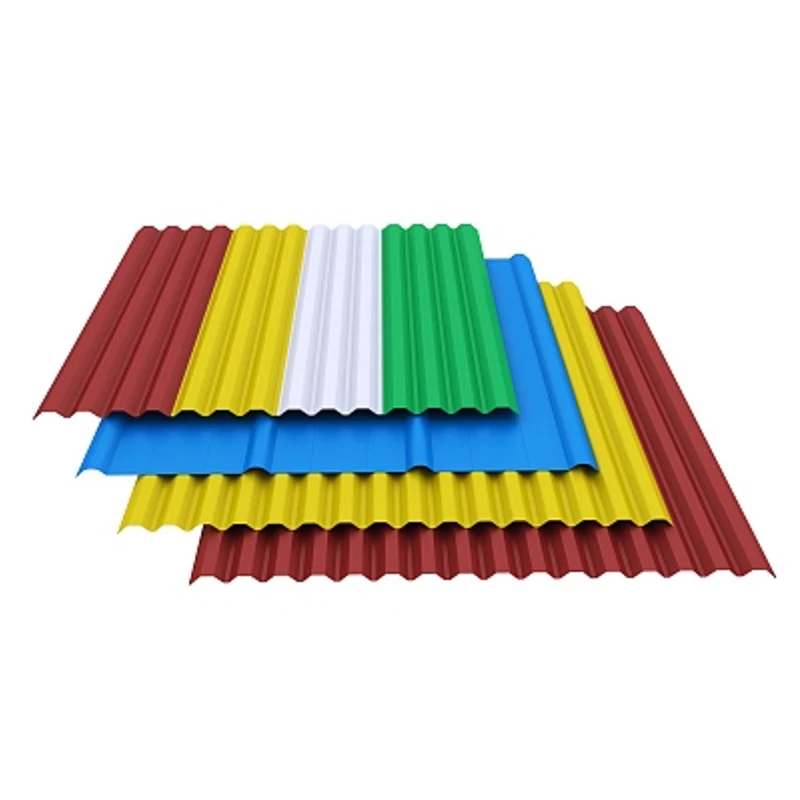

On the other hand, glass tiles are, well, made from glass. They come in all sorts of colors, finishes, and thicknesses. Glass is known for its transparency and its ability to reflect light, which can add a really stunning visual effect to a space.
Now, when it comes to breakability, it's not as straightforward as it might seem. First off, let's look at impact resistance. Acrylic tiles have a certain degree of flexibility. This flexibility allows them to absorb a bit of impact without shattering right away. When something hits an acrylic tile, it can bend slightly, which helps distribute the force. For example, if a small object accidentally drops on an acrylic tile floor, there's a good chance the tile will just dent or scratch a bit rather than break into pieces.
Glass tiles, on the other hand, are more brittle. They don't have that same flexibility. When they're hit with even a moderate amount of force, they're likely to crack or shatter. That's because glass is a hard and rigid material. Once the force exceeds its strength limit, it breaks. Think about a glass plate. If you drop it on the floor, it'll probably break into many pieces. The same principle applies to glass tiles.
But it's not just about what happens when they're hit. Thermal stress also plays a big role. Acrylic tiles have a relatively high thermal stability. They can expand and contract with temperature changes without cracking easily. This makes them a great choice for areas where the temperature fluctuates a lot, like bathrooms or outdoors in some climates.
Glass tiles, though, are more sensitive to thermal stress. When there's a rapid change in temperature, the glass can expand or contract unevenly. This uneven expansion and contraction can lead to cracks. For instance, in a bathroom with a hot shower followed by a cold draft, the glass tiles might be at risk of developing cracks over time.
However, we can't ignore some of the factors that might make acrylic tiles seem more breakable in certain situations. Acrylic is softer than glass. This means it can get scratched more easily. If you have a lot of heavy traffic or rough objects moving across the surface of acrylic tiles, they might get scratched up. And while a scratch doesn't necessarily mean the tile is broken, it can make it look less appealing and might even weaken the surface over time.
Also, if you expose acrylic tiles to certain chemicals or solvents, it can damage them. Some cleaning products that are too harsh can cause the acrylic to become cloudy or brittle, which might increase the chances of breakage. So, proper care and maintenance are super important for acrylic tiles.
When it comes to glass tiles, although they're more likely to break from impact or thermal stress, they're usually more resistant to scratches. You can use regular cleaning products on glass tiles without worrying too much about damage. And they tend to maintain their appearance over a long time, as long as they don't break.
In terms of installation, acrylic tiles are generally easier to work with. Their lightweight nature means you don't need a super-strong support structure. You can install them on a variety of surfaces, and they're less likely to cause stress on the underlying material. Glass tiles, because of their weight and brittleness, require more careful installation. You need to make sure the surface is perfectly flat and level, or else the tiles might crack during installation or later on.
So, are acrylic tiles more breakable than glass tiles? It depends on the situation. In terms of impact and thermal stress, acrylic tiles are generally more forgiving. But they're more prone to scratches and chemical damage. Glass tiles are more resistant to scratching and chemical effects but are more likely to crack or shatter from impact and thermal changes.
If you're thinking about using tiles for your next project, whether it's a home renovation or a commercial space, you need to consider the specific conditions of the area. If it's a high-traffic area with a lot of potential for impacts, acrylic tiles might be a better choice. But if you're looking for a super scratch-resistant and long-lasting finish with a stunning visual effect and the area doesn't have a high risk of impact, glass tiles could be the way to go.
As a supplier of acrylic tiles, I'm always here to help you make the right choice. If you have any questions about our Stainless Steel Composite Acrylic Tile, Painted Steel Composite Acrylic Tile, or Aluminium Composite Acrylic Tile, or if you want to talk about your project requirements, don't hesitate to reach out. Let's have a chat and see how we can work together to get the perfect tiles for your space.
References
- “Properties of Acrylic and Glass”. Building Materials Handbook, XYZ Publishing.
- “Installation Best Practices for Acrylic and Glass Tiles”. Interior Design Journal, Vol. 20, Issue 3.


