

Installing new flooring can be an exciting way to upgrade your space, and aluminium step tiles have become a popular choice for many due to their durability, aesthetic appeal, and low maintenance. A common question that arises is whether it's possible to install aluminium step tiles on a tiled floor. As a supplier of Aluminium Step Tiles, I'm here to provide you with all the information you need to make an informed decision.
Advantages of Aluminium Step Tiles
Before delving into the installation process, let's first understand why aluminium step tiles are a great option. Aluminium is a lightweight yet strong material, making it ideal for high - traffic areas. It is resistant to corrosion, rust, and wear, ensuring a long - lasting finish. Aluminium step tiles also come in a variety of colors and patterns, allowing you to customize the look of your space to match your design preferences.
Another significant advantage is the low maintenance requirement. Unlike some traditional flooring materials, aluminium step tiles can be easily cleaned with mild soap and water, and they do not require regular sealing or refinishing. This makes them a practical choice for both residential and commercial settings.
Assessing the Existing Tiled Floor
The first step in determining whether you can install aluminium step tiles on a tiled floor is to assess the condition of the existing tiles. The surface should be clean, dry, and free of any debris, dirt, or grease. Inspect the tiles for cracks, chips, or loose pieces. If there are any issues with the existing tiles, it's recommended to repair or replace them before proceeding with the installation of aluminium step tiles.
The levelness of the tiled floor is also crucial. Uneven floors can cause problems during the installation process and may result in an uneven finish. You can use a level to check the floor's flatness. If the floor has significant unevenness, you may need to use a self - leveling compound to create a smooth surface.
Compatibility of Materials
One of the key factors to consider is the compatibility between the existing tiled floor and the aluminium step tiles. The adhesive used to bond the aluminium step tiles to the tiled floor must be suitable for both materials. Some adhesives are specifically designed for use on tile surfaces, so it's important to choose the right one.

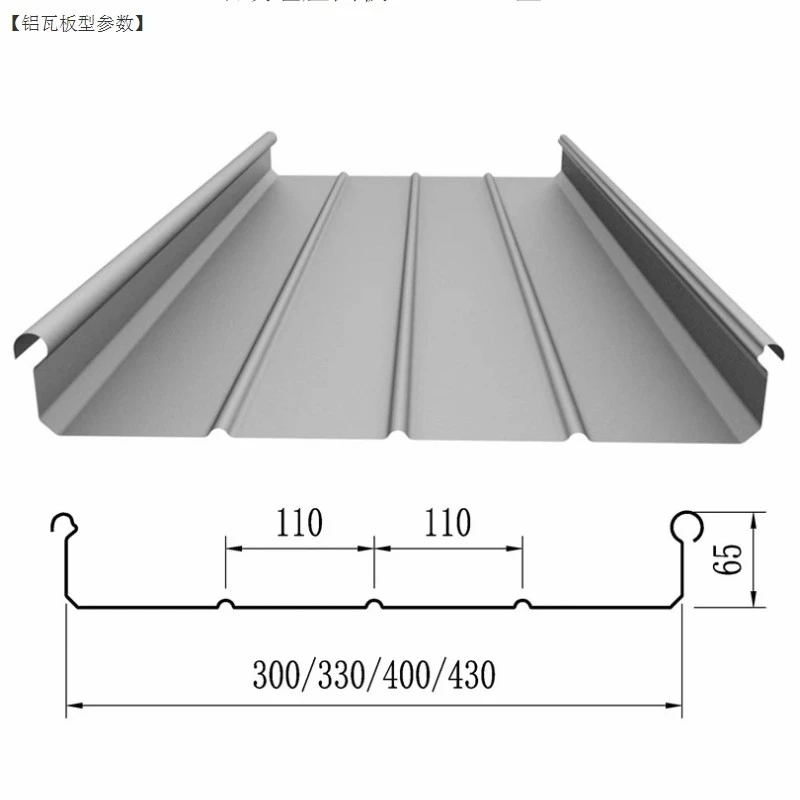
In addition, the thermal expansion and contraction properties of the two materials should be taken into account. Aluminium expands and contracts with temperature changes, and the existing tiled floor may have different properties. This can potentially lead to issues such as warping or loosening of the tiles over time. However, with proper installation and the use of flexible adhesives, these problems can be minimized.
Installation Process
If the existing tiled floor meets the necessary requirements, the installation of aluminium step tiles can proceed. Here is a general overview of the installation process:
- Prepare the Surface: Thoroughly clean the tiled floor using a degreaser to remove any dirt or grease. Rinse the floor with water and allow it to dry completely.
- Layout the Tiles: Dry - lay the aluminium step tiles on the floor to determine the best layout. Make any necessary cuts using a suitable cutting tool, such as a saw with a fine - tooth blade.
- Apply Adhesive: Using a notched trowel, apply the adhesive evenly to the tiled floor. Follow the manufacturer's instructions regarding the amount of adhesive to use and the drying time.
- Install the Tiles: Carefully place the aluminium step tiles on the adhesive, pressing them firmly into place. Use a rubber mallet or a roller to ensure good contact between the tiles and the floor.
- Grout the Joints: Once the tiles are installed and the adhesive has dried, you can grout the joints between the tiles. Choose a grout that is compatible with the aluminium step tiles and the tiled floor.
Types of Aluminium Step Tiles
We offer a range of aluminium step tiles, including 3105 Alumnium Alloy Tile Panels and 3104 Alumnium Alloy Tile Panels. These alloy tile panels have different properties and characteristics, allowing you to choose the one that best suits your needs.
The 3105 aluminium alloy tile panels are known for their excellent strength - to - weight ratio and good corrosion resistance. They are a popular choice for applications where durability is a key concern. The 3104 aluminium alloy tile panels, on the other hand, offer good formability and are often used in more decorative applications.
Cost Considerations
When considering installing aluminium step tiles on a tiled floor, cost is an important factor. The cost will depend on several factors, including the type and quality of the aluminium step tiles, the size of the area to be covered, and the cost of installation.
While aluminium step tiles may have a higher upfront cost compared to some traditional flooring materials, their long - term durability and low maintenance requirements can result in cost savings over time. Additionally, the ability to install them on an existing tiled floor can save on the cost of removing the old tiles.
Conclusion
In conclusion, it is possible to install aluminium step tiles on a tiled floor, provided that the existing floor is in good condition and the proper installation procedures are followed. Aluminium step tiles offer many advantages, including durability, low maintenance, and a wide range of design options.
If you're interested in upgrading your space with aluminium step tiles, we are here to help. Our team of experts can provide you with detailed information about our products, assist you in choosing the right type of aluminium step tiles for your project, and offer guidance on the installation process. Contact us today to start the conversation and take the first step towards transforming your space.
References
- "Aluminium Alloys: Properties and Applications" - A technical guide on aluminium alloys and their uses.
- "Flooring Installation Handbook" - A comprehensive resource on various flooring installation methods.


